
Logistics
Get the latest insights into the IoT solutions and use cases that are reshaping logistics and supply chain management. Industrial IoT
 Smart Cities
 Smart Buildings
 Logistics
 Smart Energy
 Agriculture




What is IoT in Logistics?
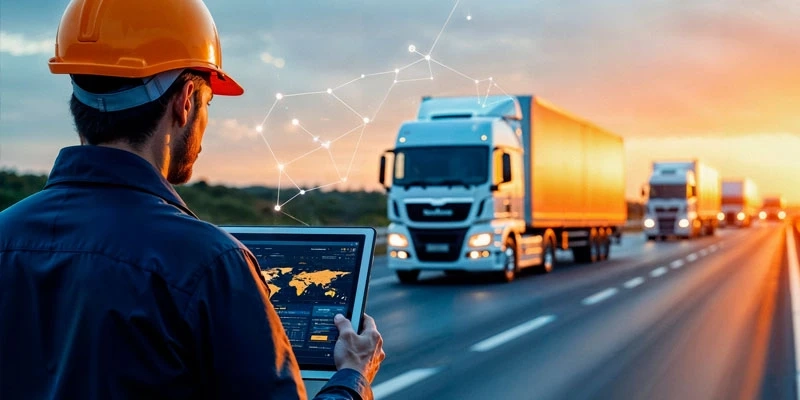
IoT in logistics uses various connected sensors and smart devices to make supply chain operations seamless. In addition, the technology provides real-time data on the location and condition of assets with inventory levels. This will greatly improve the visibility of transportation, warehousing, and last-mile delivery by logistics companies with the integration of IoT technologies for more effective and reliable operations.
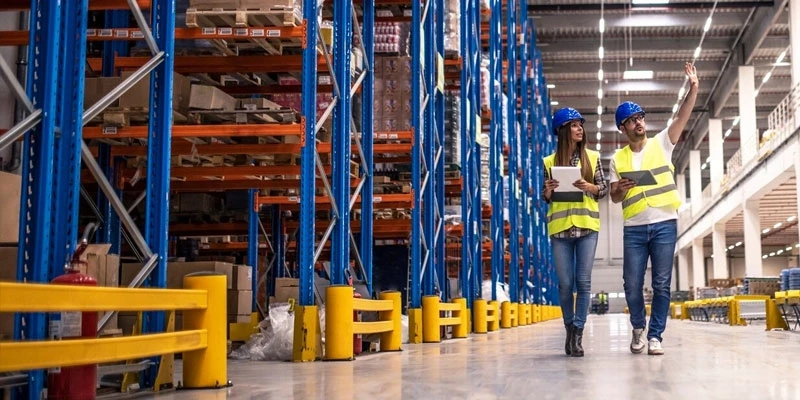
IoT in logistics also plays an important role in improving the customer experience by tracking shipment status and delivery times in real time. Using IoT-based tracking and analytics, a company can make better predictions for delivery, leading to greater transparency and customer satisfaction. It also optimizes the operation of a warehouse by automating sorting, packing, and replenishment, reducing human error and operational costs. This would mean that as the logistics industry continues to evolve, IoT's ability to provide actionable insights and real-time decision making will be one of the key differentiators for any company to outpace the competition and meet rising customer expectations.
IoT also forces better inventory management, as smart sensors monitor stock levels and environmental conditions to reduce waste and optimize storage. Fleet management solutions use IoT data to optimize routing, fuel consumption, and driver safety, improving both operational efficiency and sustainability.
The bottom line: IoT in logistics is reshaping the way goods move along the value chain by enabling greater visibility, cost reduction, and responsiveness - all elements critical to success in today's competitive landscape.